Shoppers judge your retail store within seconds, on the street and in a scrolling feed. You are compared against every other retail business on the block or online. A retail logo is all it takes to build that first impression.
That’s exactly why you need a logo design company. We design custom retail logos that work across every customer touchpoint, and your retail business needs one too.
You need a logo that works on a storefront, a shopping bag, a product shelf, and a 32px browser tab. If you’re a business owner considering a modern retail store logo, we recommend reading this guide first.
What is a Retail Logo?
A retail store logo design is a visual symbol that represents your retail business on the signage, shopping bags, packaging, invoices, and websites or apps.
It’s a core part of the brand experience you’re building for your customers. When a good logo design builds trust and makes a great first impression, customers carry that feeling into your store or when they shop with you online.
A logo is just the start. A comprehensive retail branding design brings the experience full circle.
The Anatomy of a Modern Retail Store Logo
A strong retail store logo allows your business to stand out on storefronts, packaging, digital ads, websites, and tiny mobile screens.
Most business owners don’t know how to design a company logo that works across all these touchpoints. They’re skipping the qualities that make a retail logo effective.
Here’s what makes a modern retail store logo effective:
Simplicity: You need to avoid clutter. When too many elements fight for attention, the logo loses its purpose. You do not want one element to overshadow the other. A simple logo scales easily when shrunk to a tiny favicon or used as store signage.
Memorability: The entire purpose of a logo is to be recognized. Unique design elements like logo shapes, clever negative space, and distinctive modern fonts can help the logo stick in a customer’s mind after one look.
Relevancy: The visual style, color palette, and font should match your specific retail niche and audience. A sleek, minimalist logo design suits a luxury retail store. A logo with bold, friendly typography works best for casual goods.
Timelessness: Following logo design trends is a short-term approach. Focus on how you can make your logo a timeless asset for your retail branding. It needs to work for your present positioning and where you see your business in the next five years.
Versatility: Another quality that makes a retail store logo design effective is versatility. The design needs to adapt to small screen sizes. It needs to work on big banners. It needs to represent your business everywhere without losing its legibility.
Strategic Typography: Choose the right logo fonts for maximum impact. Serif fonts hint at authority and tradition. Sans-serif fonts can add modern clarity, and script fonts can add boutique elegance.
Color: Color psychology plays a huge role in retail. It affects how customers perceive your business. Understand what emotional triggers logo color combinations can influence. They can create urgency, while others build trust, exude luxury, and represent sustainability.
Why a Modern Retail Store Logo Matters for Small Businesses
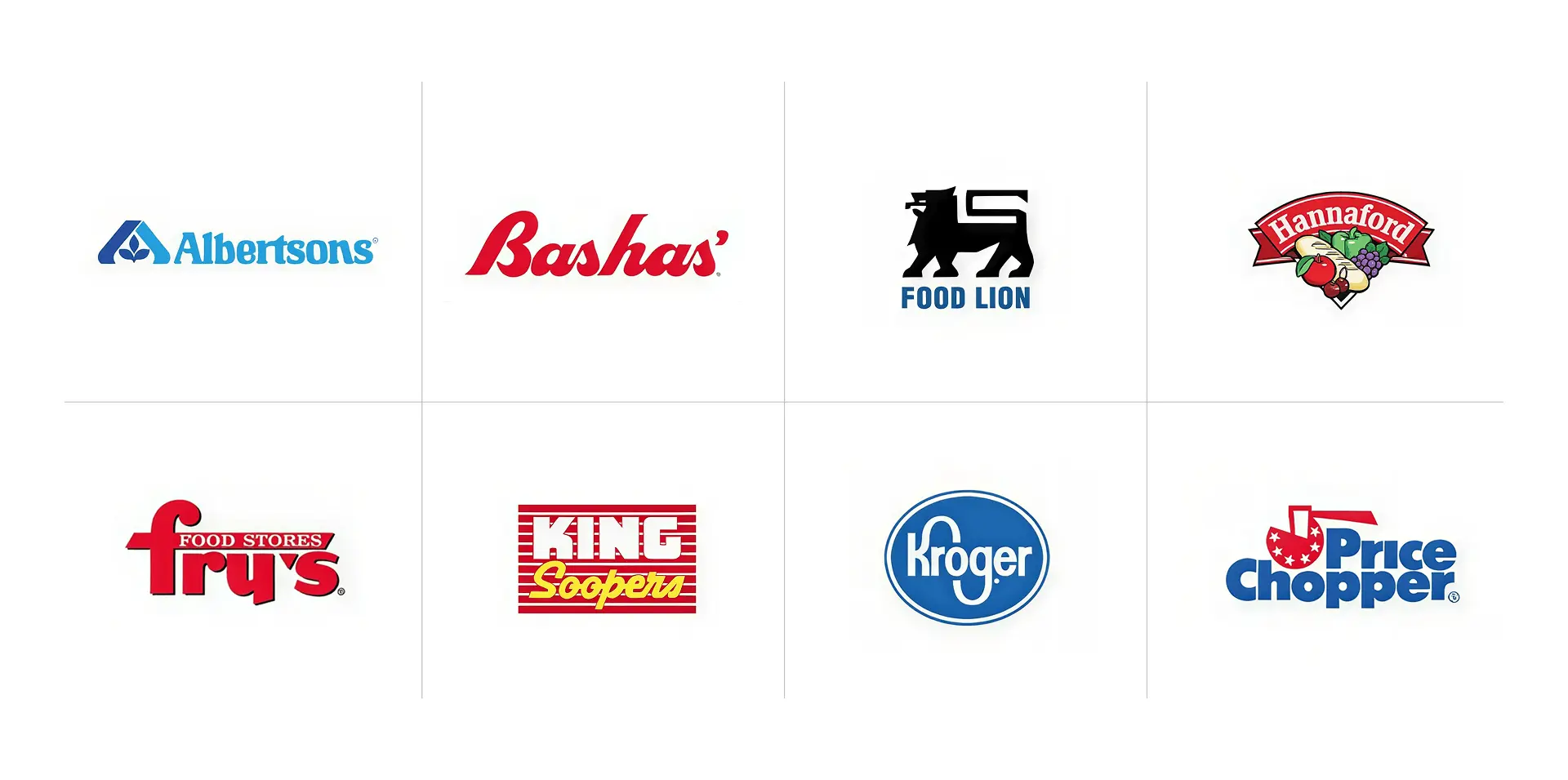
The retail industry is vast. Standing out among the competition is a real hassle. How do you plan on getting noticed when the competition is so tough?

Almost seven in ten (68%) American consumers actually purchased a product or service simply because the signage caught their eye. 51% of consumers said they later looked up the retail business online after seeing impressive signage.
Your logo plays an important role in getting your business noticed. That’s why we recommend that small businesses invest in professional logo design services early in their journey.
Business Representation
Your logo is the face of your business. It represents your business, products, services, niche, and customer service. It’s the start of the brand experience you offer. A well-designed logo represents your business in the best way possible. Your logo builds brand recognition in stores and in your customers’ feeds.
First Impressions
Americans tend to make really fast judgments about local shops, whether it’s the shelf or a screen. A premium retail services logo creates a strong first impression when designed well. It signals professionalism, builds credibility, and earns trust. Even though brand recognition takes time, first impressions stay with customers throughout the experience.
Competitive Landscape
As a small retail business, your biggest competitors are large retail chains. It takes time to build the recognition they’ve built. Investing in business logo design and branding increases your chances of standing out as an independent shop. You become distinctive in a crowded market.
Visual Cues
All of the logo design elements come together to tell more about your brand personality. Clean typography, logo symbols, geometric shapes, fonts, and colors communicate your brand’s core values.
Brand Loyalty
When customers start associating your logo with your business, that’s when you’ve earned brand loyalty. Building recognition is one thing; retaining previous customers is a milestone in retail business success. It means you’ve earned trust, and your customers are coming back for more.
Get a Professional Logo For Your Retail Business
Whether you're opening your first store or refreshing an established business, a professionally designed logo helps you present your retail brand with confidence. Get a custom design that works across your storefront and online.
How Can You Choose the Right Logo Type For Your Store
The right logo type depends on your store name, products, niche, and the perception you want to build among your customers.
Some retailers need a logo that puts their business front and center. Others need a symbol or an icon they can easily use on packaging, shopping bags, social media, and banners.
These are the seven common logo types you can choose from.
Wordmark
A wordmark logo uses your full business name in a distinctive font. There’s no icon required. It works well for fashion boutiques, beauty stores, or home decor brands that want their full business name to be recognized.

Best For: Stores with short, memorable names.
Lettermark
A lettermark turns your business name initials into a logo. It’s a practical choice for retail stores with long business names that need a clean, compact design for labels, packaging, storefront signs, and custom retail bags with a logo.
Best For: Stores with long names.
Pictorial
A pictorial mark uses a recognizable image to represent a retail business. It could be a flower, a fruit, or a shopping bag. The best example is Target. It suits specialty retailers with niche products that can be represented by a simple, memorable symbol.
Best For: Stores that want a recognizable symbol.
Abstract
An abstract logo uses shapes and forms instead of a recognizable image or object. It works best for lifestyle brands, fashion boutiques, and multi-store categories that want a unique symbol for business representation.
Best For: Modern retail brands seeking a distinctive identity.
Combination
A combination logo pairs text with a symbol. Retailers can use the full logo on storefronts, while the icon can be used as an app logo, social media profile picture, or as small product labels.
Best For: Stores that need both the name and the icon.
Emblem
An emblem logo places the store name and other design elements inside a badge, seal, or a crest. It works best for artisan shops, specialty food stores, or retailers selling handcrafted, traditional products. It gives the business a vintage logo that hints at its history and craftsmanship.
Best For: Stores with a heritage, craft, or premium feel.
Mascot
A mascot logo design uses an illustrated character to represent a business. Toy stores, candy shops, pet stores, and children’s retailers can use mascots as a friendly identity. It gives a brand a unique personality that people tend to love.
Best For: Stores with a playful, family-friendly personality.

Small Business Tip
Your logo needs to work at different sizes, from a large storefront sign to a tiny social media profile picture. Choose a design that stays clear and recognizable wherever customers see it.
What To Consider When Designing a Retail Logo for the Shelf
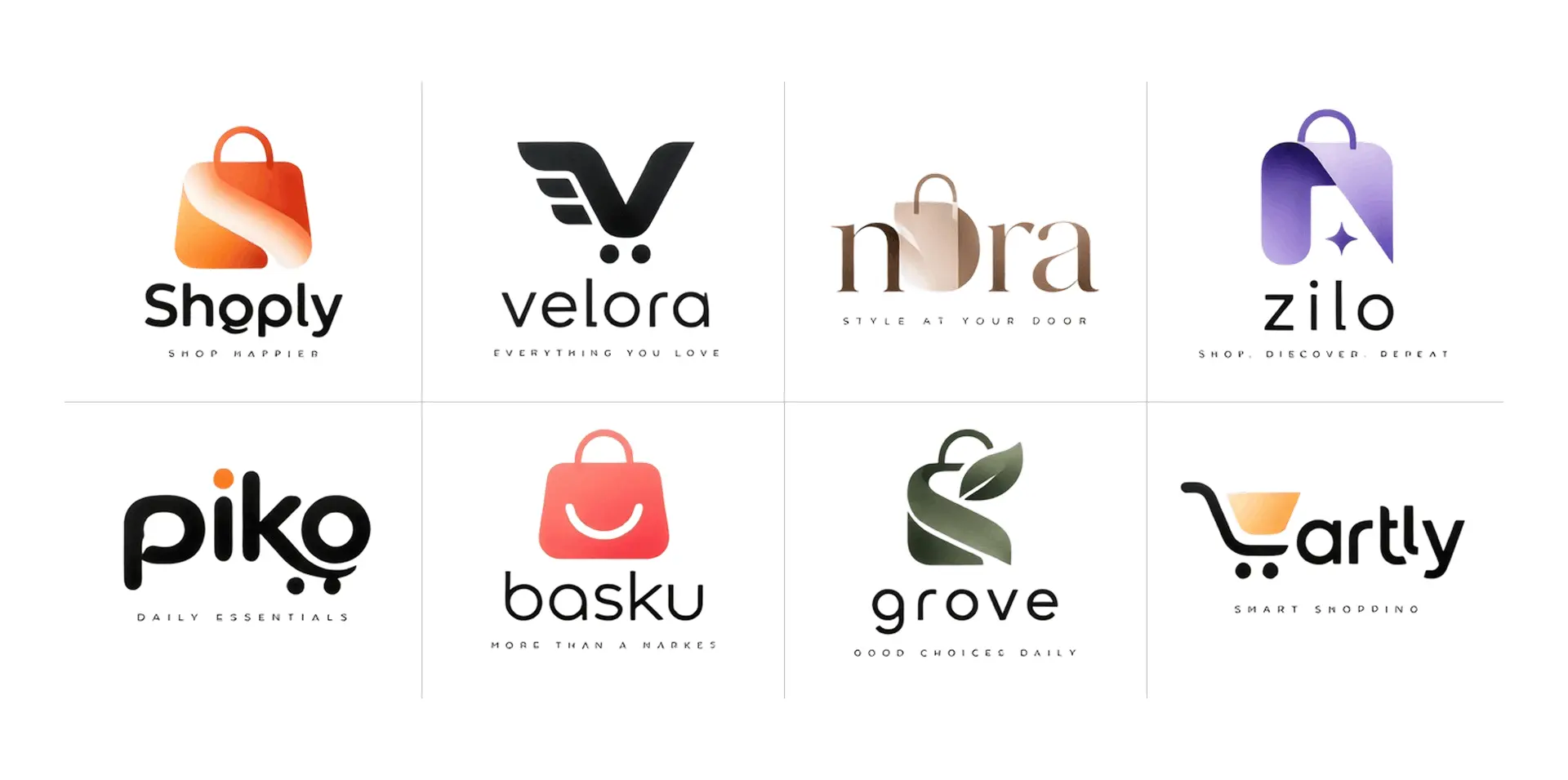
Your modern retail store logo is the first thing shoppers notice. It influences purchasing decisions and helps your product stand out from competitors.
But a logo that looks good on screen may not have the same impact on a crowded shelf. It needs to stay clear across different logo sizes, materials, and printing methods.
Storage Signage and Legibility at a Distance
Shoppers need to recognize your shop logo from across the street or as they walk past.
When designing a logo for the shelf, choose a clear font that matches your brand personality. It should reflect whether you’re a modern, playful, or premium retailer.
Color matters, too. Different colors evoke emotions and can drive purchase intent, so choose shades that appeal to your target customers.
Small Business Tip
Keep your retail logo simple. Have a clear outer shape, strong contrast, and minimal fine detail. Stick to two or three fonts. Give your store name the most attention so people can read it at a glance.
Packaging, Bags, Tags, and Receipts
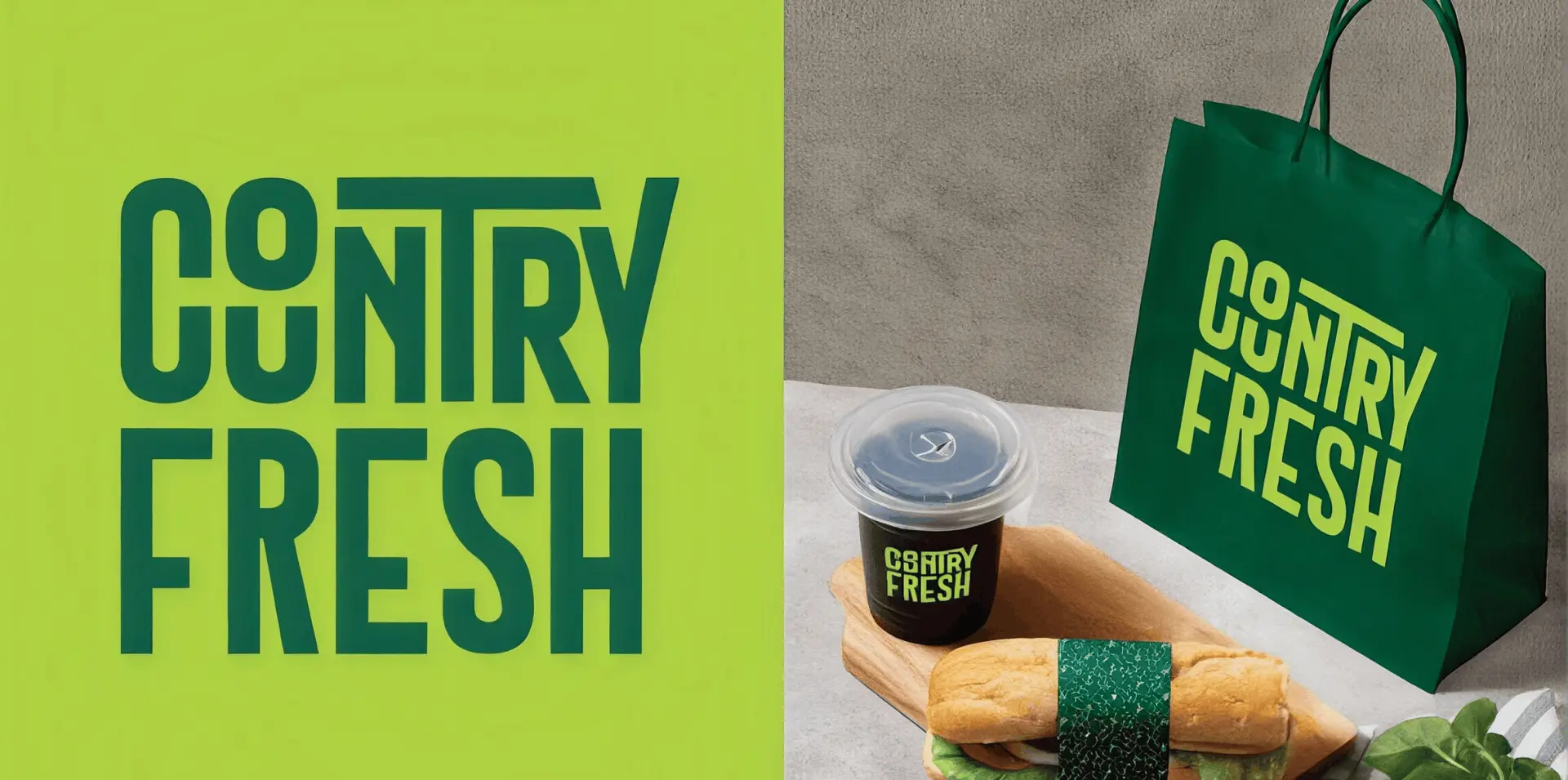
Your logo might appear on glass bottles, plastic containers, shopping bags, clothing tags, receipts, and custom retail boxes with a logo.
Each surface affects how the design looks. Curved glass can distort a logo, textured paper can hide fine lines, and small tags leave very little room for detail.
Small Business Tip
Create one primary logo and simplify it for smaller logo file formats. Prepare a one-color version for stamps, receipts, and single-color printing. Your logo should remain recognizable with color or without color, or when embossed onto a surface.
Product Shelves and Private-Label Packaging
Customers make choices within seconds. They scan a shelf, find what appeals to them, and buy it.
Shelf-appeal packaging helps your product catch their eye. Strong contrast, clear product information, and a recognizable logo can shape the label design and attract buyers.
Candy shop logos are bright and playful. Luxury retailers take the opposite approach, with a more minimalist vibe. The logo can make a huge difference in how customers perceive your product on shelves.
Small Business Tip
Look at competing products before settling on your design. For example, if most brands in your category use green packaging, a contrasting color could help your product stand out. But make sure it stays true to your brand and doesn’t compete with other elements on the package.
Materials, Lighting, and Scale
A can look entirely different on a backlit sign, neon display, window decal, or a raised 3D sign. Reflections, shadows, and surface textures can affect its visibility.
Choose a design that works with the materials and lighting used in your store or around the shelf. It not only improves logo visibility but can also work out in your favor in terms of building customer perception.
Small Business Tip
Test the logo before finalizing it. Shrink the logo to the size of a product label. Print it on different materials. Test how it looks from a distance and in different backgrounds. A good retail logo is recognizable within seconds on the shelf.
What To Consider When Designing a Retail Logo for Online Presence
Your logo changes how customers perceive your retail brand online. It helps you reach your target market, stand out from competitors, and build recognition that can influence sales.
But a logo that looks great on a storefront ot product box may not work in a browser tab or social media profile. The goal is to carry the same brand experience wherever customers find you.
You cannot just create an ecommerce logo and call it a day. A retail store’s online presence is more than that. It needs to appear consistent in emails, ads, apps, search results, and browser tabs.
Favicon, App Icon, and Social Avatar
Small spaces leave little room for detail. A retail store logo design with a long store name or intricate illustrations may become unreadable when cropped into a circle or reduced to a tiny favicon.
Small Business Tip
Use a simple symbol, initials, or a compact version of your logo for these placements. Keep the shape clear. Create a strong contrast so customers can recognize your brand at a glance.
Marketplace and Google Business Profile Thumbnails
Your logo is competing for attention in stores, marketplaces, and in local search results. Customers should be able to spot your retail store logo without struggling to read tiny text.
Small Business Tip
Choose a design that stands out at thumbnail size and remains legible against different backgrounds. Avoid fine details and crowded layouts.
Website Header, Email, and Dark-Mode Versions
Your logo should fit naturally into your website header without crowding the navigation or distracting shoppers from your products. The same applies to email signatures, promotional campaigns, and digital ads.
Small Business Tip
Prepare light and dark versions so your logo stays visible on different backgrounds. Check that the colors, spacing, and proportions remain consistent across every touchpoint. A logo that blends into the background or looks different in every email harms brand recognition.
Responsive Logo Systems
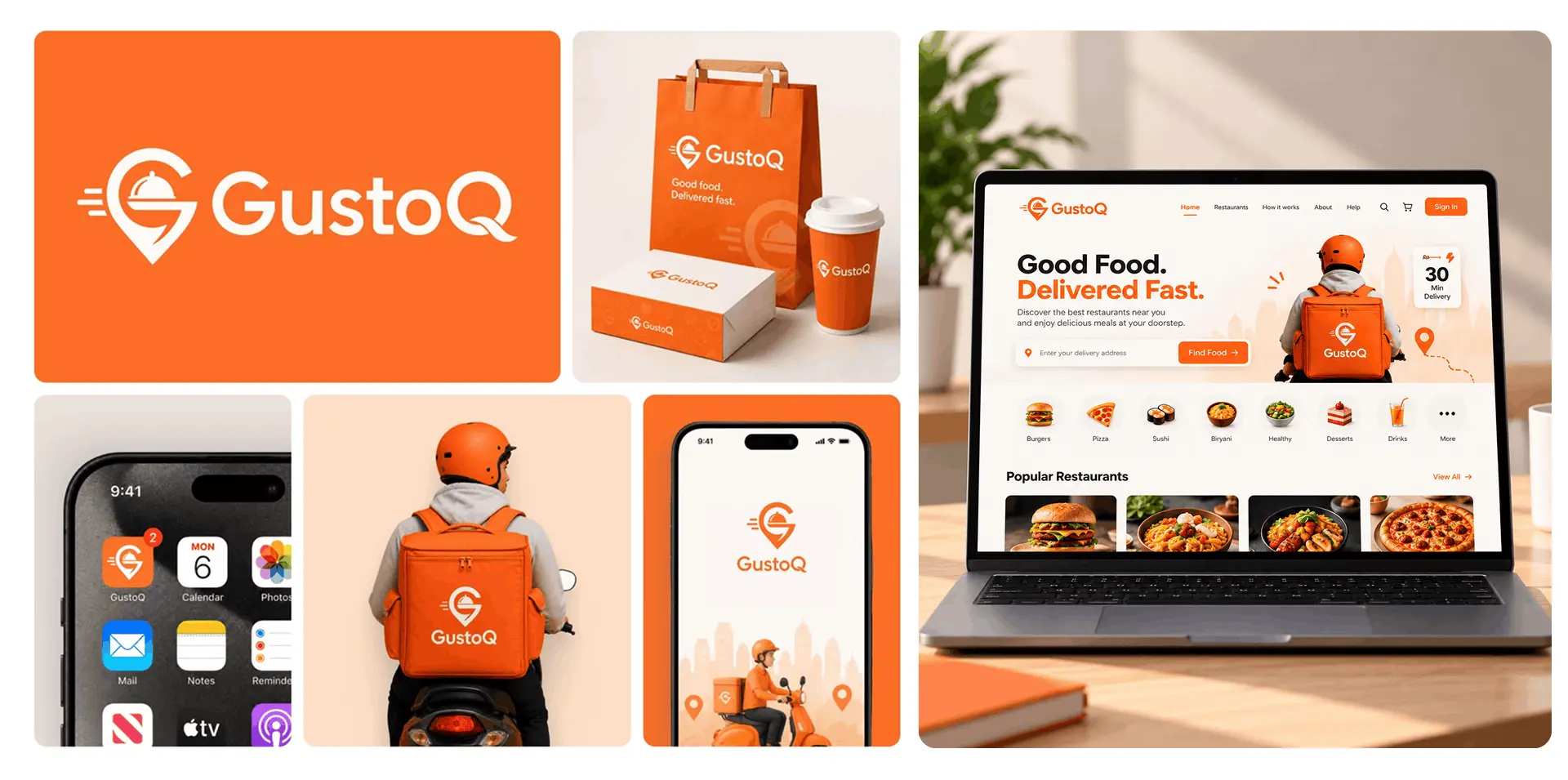
With so many places available to interact with a logo, one logo file rarely works everywhere. A responsive logo system gives you different versions for different placements.
Full logo: Store name and symbol for website headers, emails, and ads.
Compact logo: A simplified layout for mobile headers and narrow spaces.
Icon-only logo: A standalone symbol or initials for favicons, app logos, or social profiles.
Small Business Tip
All of these versions need to feel like pieces of the same brand. Not separate designs. Test each one at different sizes and across devices to create a more consistent and familiar shopping experience.
Is Your Logo Ready for Shelf and Online?
If you already have a modern retail store logo, this 7-point logo stress checklist will help you. If you don’t, then come back to this once you do.
Answer each question honestly to spot problems before your customers do.

The 7-Point Logo Stress Test
- Does your logo work at 16 px?
Shrink it to favicon size. Can you still recognize the shape?
- Does it work in one color?
Remove all color. Does the design remain recognizable?
- Does it stand out on a dark background?
Place your logo on a dark background. Can you see the important details clearly?
- Can people read it from ten meters away?
View your logo on a storefront sign or a printed mockup from a distance. Does it look easy to read?
- Does it survive a square crop?
Fit into a square or circle for social profiles and app icons. Does it still look balanced and recognizable?
- Does it hold up in black-and-white print?
Print it without color. Do the details still remain distinct?
- Does it stand out beside your top three competitors?
Place your logo next to three competing brands. Can customers tell you apart?
How to Score Your Logo: Seven “yes” answers mean your logo passes the initial stress test. Any “no” is a reason you need to test it again.
How to Refresh Your Retail Logo Without Losing Customers
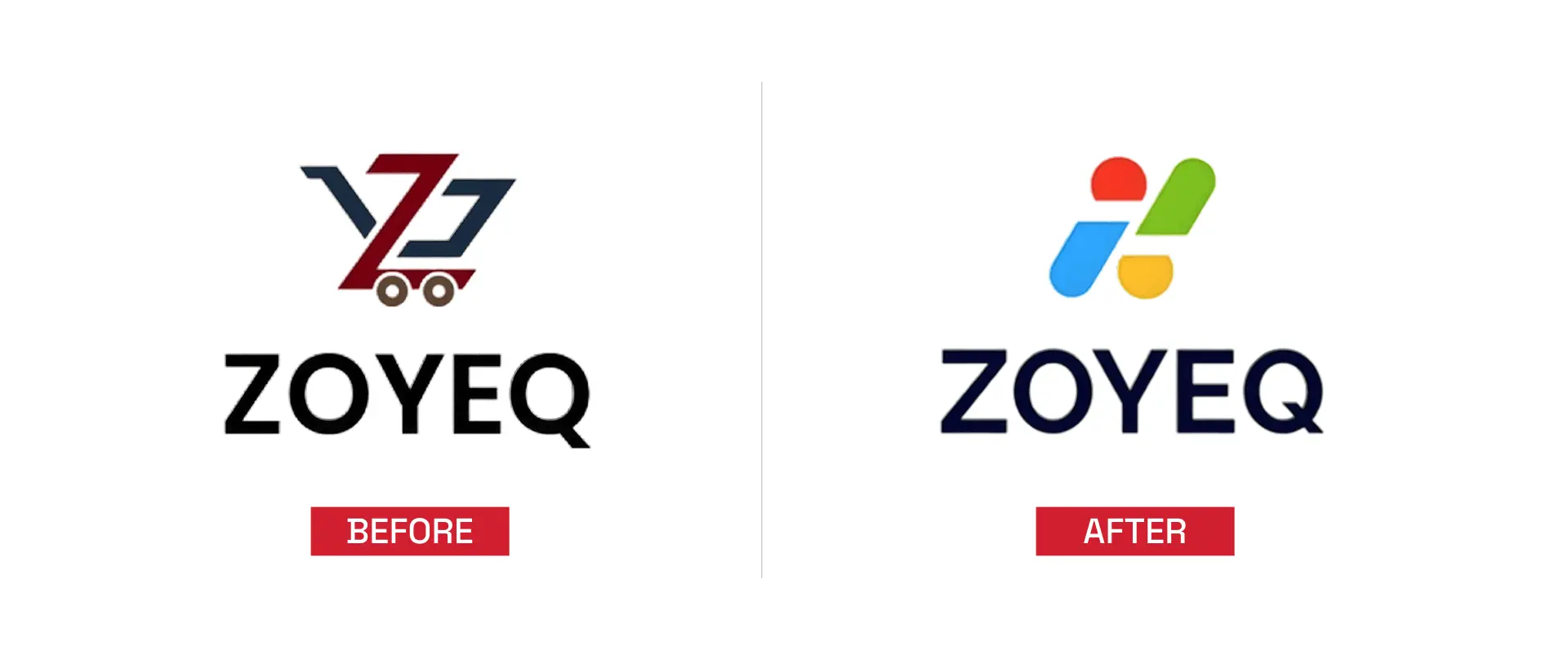
Retail businesses evolve very quickly. And if you don’t keep up with the changes, you risk losing the recognition you’ve built. But most often, business owners don’t fully understand what a logo redesign means.
The goal is to redesign without losing current customers. The different logo design elements subconsciously communicate a brand’s personality and build recognition. If we look at the Nike swoosh logo, we don’t have to read the wordmark; we already know it’s Nike.

Signs You Need a Logo Redesign
The signs of a logo redesign don’t show up all at once. You notice them slowly over time. If you relate to any of these, it might be time to consider redesigning your retail logo.
- Your retail business has evolved.
- Your retail logo looks dated.
- The logo doesn’t work digitally.
- Your products aren’t getting noticed on shelves.
- The logo isn’t memorable.
How Can You Redesign Your Logo
- Clarity: Start with clarity on the purpose of the redesign and what goals you want to achieve through it.
- Assess: Research and analyze how customers perceive your current brand identity.
- Identify: Keep logo design elements that make you stand out and that customers resonate with.
- Update: Find a logo designer near you or hire a logo design company. Prepare a design brief that communicates the current identity, purpose of the redesign, and the new direction.
- Change: Roll out the changes gradually. Test with a small group. Make the changes online first and then change them on the packaging.
Common Retail Logo Mistakes
Getting your retail logo right the first time can save you costly redesigns later. Avoid these common logo design mistakes for a logo that works across shelves and online.
Designing Only for Screens: Online shoppers have increased in number. That does not mean you should design your logo entirely for the digital world. The logo is meant to be used across different customer touchpoints.
Too Much Detail: A retail logo needs to be simple. Too much detail means one element overshadows the others. Your logo needs to work in harmony. Don’t focus on giving it all through your logo. It’s just the start of the retail experience you want to create through branding.
Chasing Trends: Trends don’t make a logo timeless. It becomes outdated once the trend dies down. Instead, design for timelessness. Focus on elements that work today with your business identity, and they’ll work the same five years later.
Different Versions Across Channels: We’ve seen almost every business make this mistake. Consistency makes a huge difference in how your brand is presented. If you’re using different versions of your logo across customer touchpoints, you’re failing to build recognition.
Copying a Competitor’s Look: Without a doubt, this is the biggest logo design blunder. You cannot have a generic retail logo that confuses you with your competitors! Design something unique. Stand out. Shine on the shelves and online.
Is Investing in a Modern Retail Store Logo Worth It?
Absolutely! Retail logo design services in the USA can help your logo stand out on the shelf and online.
If you’re still contemplating getting a modern retail store logo, get in touch with our team at Logo Design Valley. We’ll help you figure out your visual direction, clear up your doubts, and design a logo for your retail business.
Big Retail Energy. Small Business Budget.
You don’t need a chain of stores to look like you mean business. Get the logo, branding, and website design your retail business needs to show up with confidence.
Author Bio

 verified expert
Duaa writes blogs about marketing, branding, web design, and logo design. She enjoys turning ideas into simple, engaging content that helps businesses build stronger brands and connect with their audience in a more meaningful way.
Still choosing the right logo design company?
Get a quick, expert review. No pitch, just clarity on what fits your stage, budget, and growth.